NAD+ Therapy: What the Research Actually Says About Cellular Aging
NAD+ has become one of the most talked-about molecules in longevity science. But what does the evidence actually show? Here's a clear-eyed look at where the research stands.
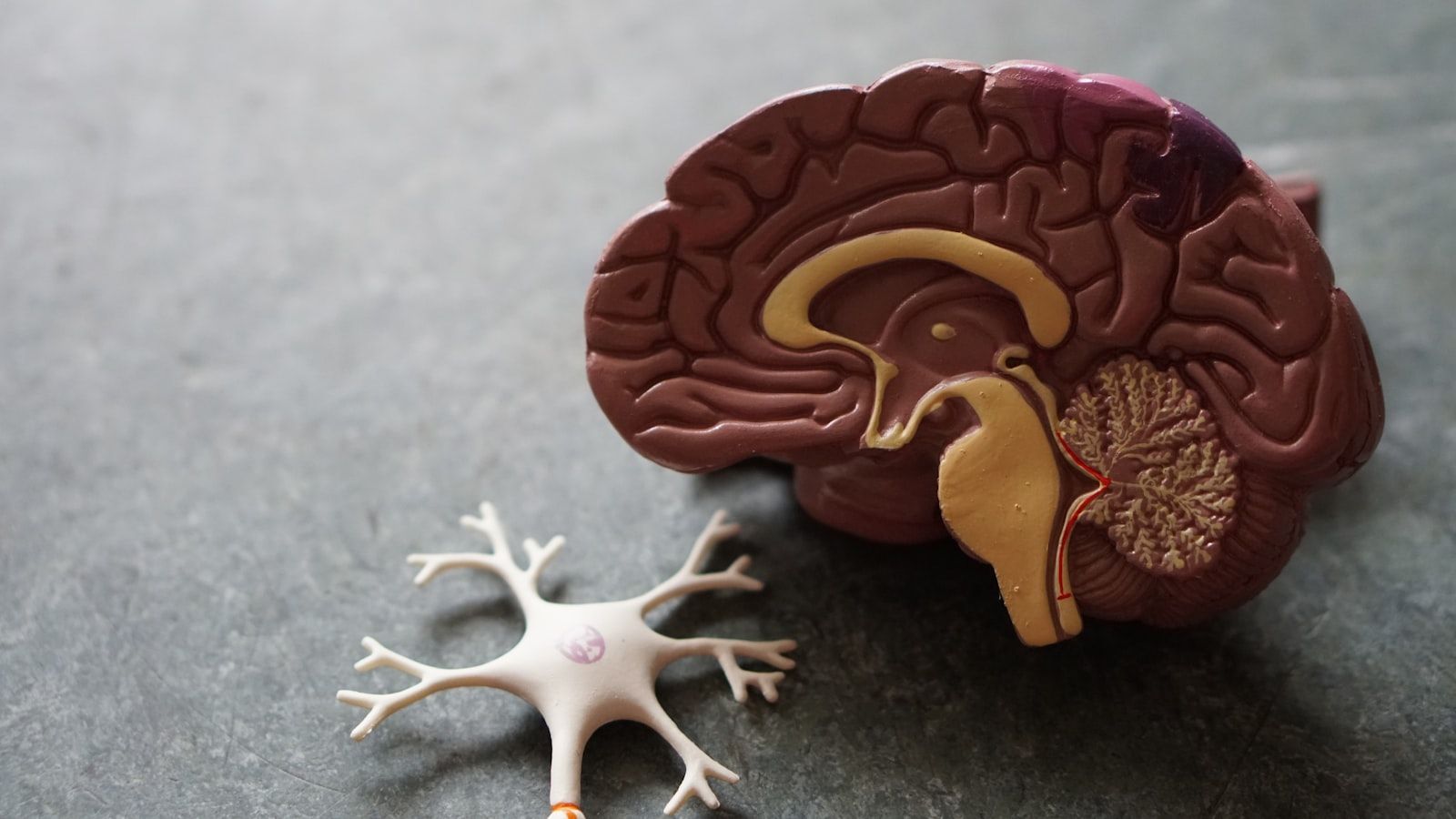
Nicotinamide adenine dinucleotide — better known as NAD+ — is a coenzyme found in every living cell. It plays a critical role in energy metabolism, DNA repair, and cellular signaling. As we age, NAD+ levels naturally decline, and researchers believe this decline contributes to many hallmarks of aging.
But does supplementing NAD+ actually slow aging? Let’s look at what the science says — honestly.
What NAD+ Does in Your Body
NAD+ is essential for sirtuins — a family of proteins often called "longevity genes." Sirtuins regulate inflammation, stress resistance, and mitochondrial function. Without adequate NAD+, sirtuins can’t do their job effectively. Think of NAD+ as the fuel that keeps your cellular repair crew running.
The Decline with Age
Research published in Cell Metabolism shows that NAD+ levels can drop by as much as 50% between the ages of 40 and 60. This decline correlates with increased fatigue, slower recovery, cognitive fog, and accelerated skin aging. While correlation isn’t causation, the biological mechanisms linking NAD+ depletion to aging are well-established.
How NAD+ Therapy Works
NAD+ therapy typically involves IV infusions or subcutaneous injections that deliver the molecule directly into the bloodstream, bypassing the digestive system for higher bioavailability. Some patients also use oral precursors like NMN or NR, though absorption rates differ significantly.
Many patients report improved energy levels, mental clarity, and better recovery from exercise within the first few sessions. However, individual results vary, and more large-scale clinical trials are needed to confirm long-term outcomes.
The Honest Bottom Line
NAD+ therapy is promising and grounded in real biology. It’s not a miracle cure, but for people experiencing age-related fatigue, cognitive decline, or slow recovery, it’s worth a conversation with a licensed provider. The field is evolving quickly, and new data continues to emerge.
Medical Disclaimer
This article is for informational purposes only and does not constitute medical advice. NAD+ therapy requires evaluation by a licensed healthcare provider. Individual results may vary. The statements in this article have not been evaluated by the FDA. These products are not intended to diagnose, treat, cure, or prevent any disease.
Ready to start your wellness journey?
Get personalized treatment recommendations from licensed healthcare providers.
Find my treatment